The Blog
Dive into insightful articles, discover nourishing recipes, and uncover lifestyle tips that will help you discover the old you.
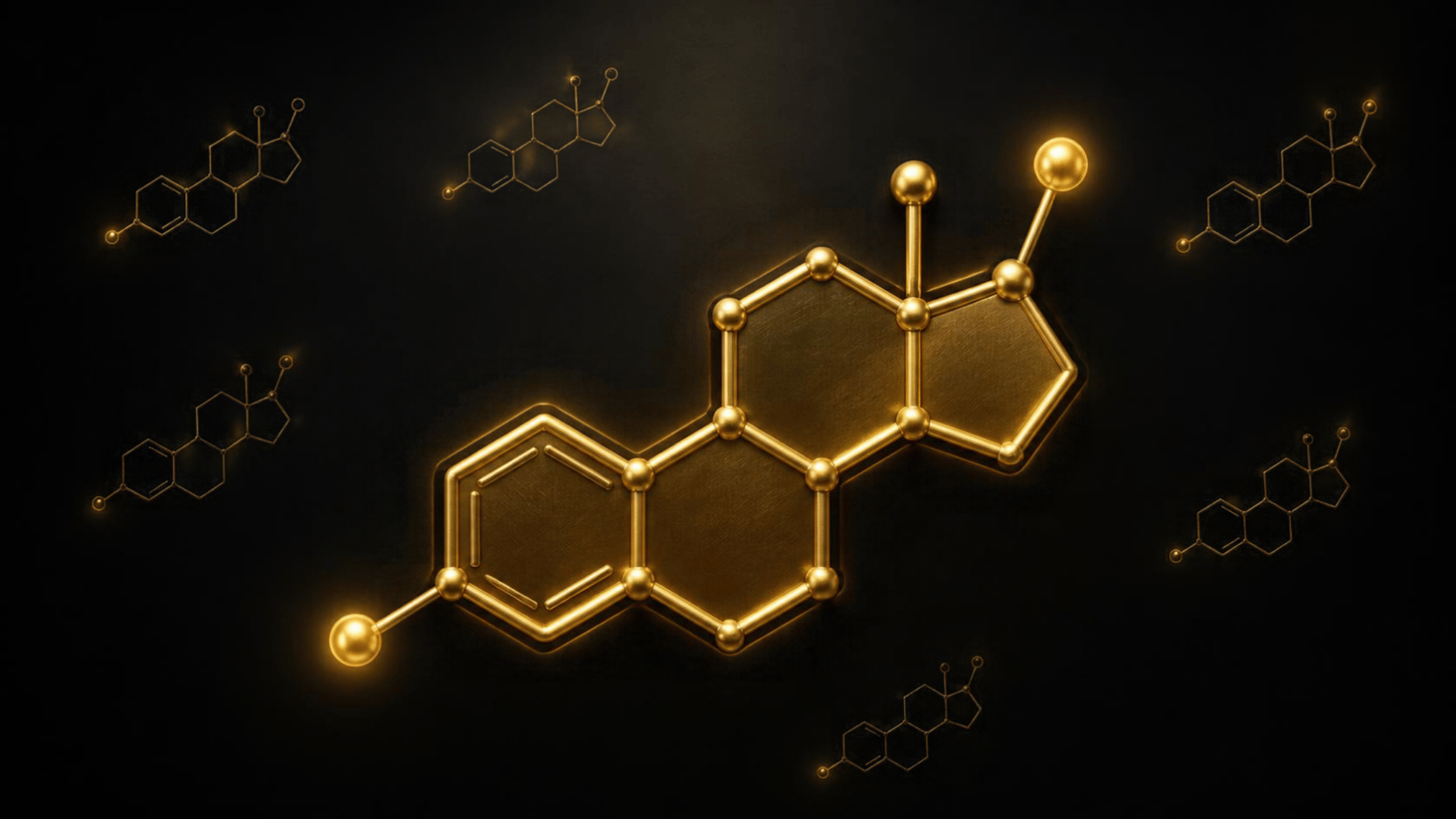
The menopause gold rush, and the questions you need to ask
Every week, someone asks me what I think about HRT. I can’t give you a yes or a no on that, it genuinely isn’t my call, but I can tell you something that rarely gets discussed: the body a hormone lands in is never identical from one woman to the next.
This article walks through the biology sitting underneath hormone decisions, from oestrogen’s relationship with your immune system to the three pathways your body uses to clear it (including a personal confession about my own Gilbert’s syndrome). I’ve also brought in GP and women’s health specialist Dr Sara Moran to answer the questions that sit firmly on the medical side of the conversation.
If you’ve ever felt confused, dismissed, or like you’re being offered more medication as the only answer, this is the piece I’d like you to read before your next appointment.

Stress isn’t just uncomfortable, it’s an immune insult
Ever noticed how your symptoms flare right when life starts getting hard? That’s not an inconvenient coincidence, it’s biology. Your nervous system and your immune system are in constant conversation and chronic stress changes how your immune system behaves within minutes, not weeks. In this article I break down the science of psychoneuroimmunology, why a hypervigilant nervous system creates a hypervigilant immune system, and what you can actually do about it, drawing on my own story along the way.

How to actually go gluten-free (without living in the free-from aisle)
You've decided to give gluten-free a proper go. Now what?
Most people start with the best intentions and quickly run into the same three problems: they don’t realise how many everyday foods (soy sauce, Marmite, sausages, Bisto) still contain gluten, they end up living on ultra-processed products from the free-from aisle, and they give up at six weeks because nothing has changed yet.
This article walks you through what actually works. What to eat, what to watch for, why the free-from aisle isn’t the answer, how long to give it before drawing any conclusions and what to look at if you’ve done all of that properly and still feel awful. Including my favourite gluten-free bread recipe, because bread doesn’t have to be a hard goodbye.

Do I really need to cut out gluten?
Everyone seems to have an opinion on gluten. Cut it out completely. It’s a wellness fad. It’s the root of all evil. It’s only relevant if you have coeliac disease. But the advice often arrives at extremes and most of it isn’t grounded in what's actually happening in your individual body.
The honest answer is more nuanced than either camp tends to admit. Whether gluten matters for you specifically depends on your diagnosis, your immune status and factors most people have never had explained to them.
This post cuts through the noise, explains what actually happens in your gut every time you eat gluten (yes, everyone’s gut, not just the sensitive ones), and lays out which autoimmune conditions carry the biggest gluten-related risk. If you’ve been going round in circles on this one, this is the piece I’d like you to read.

Why your ‘5 A Day’ might be holding back your health
If you've been hitting your five a day and still wondering why you don't feel better, you're asking exactly the right question.
5 A Day was never designed to optimise your health. It was a global public health floor, set to address micronutrient deficiency and then the food industry got hold of it. Most UK adults aren’t even reaching it and the evidence now points to double that number as the level at which meaningful reductions in disease risk actually start to show up.
In this article, I break down where the guidance really came from, what a large-scale study of over two million people tells us about how much we actually need and why diversity of plant foods may matter just as much as quantity, particularly if you're navigating fatigue, persistent symptoms or an immune system that isn't behaving itself. Plus practical ways to close the gap without overhauling your entire life.
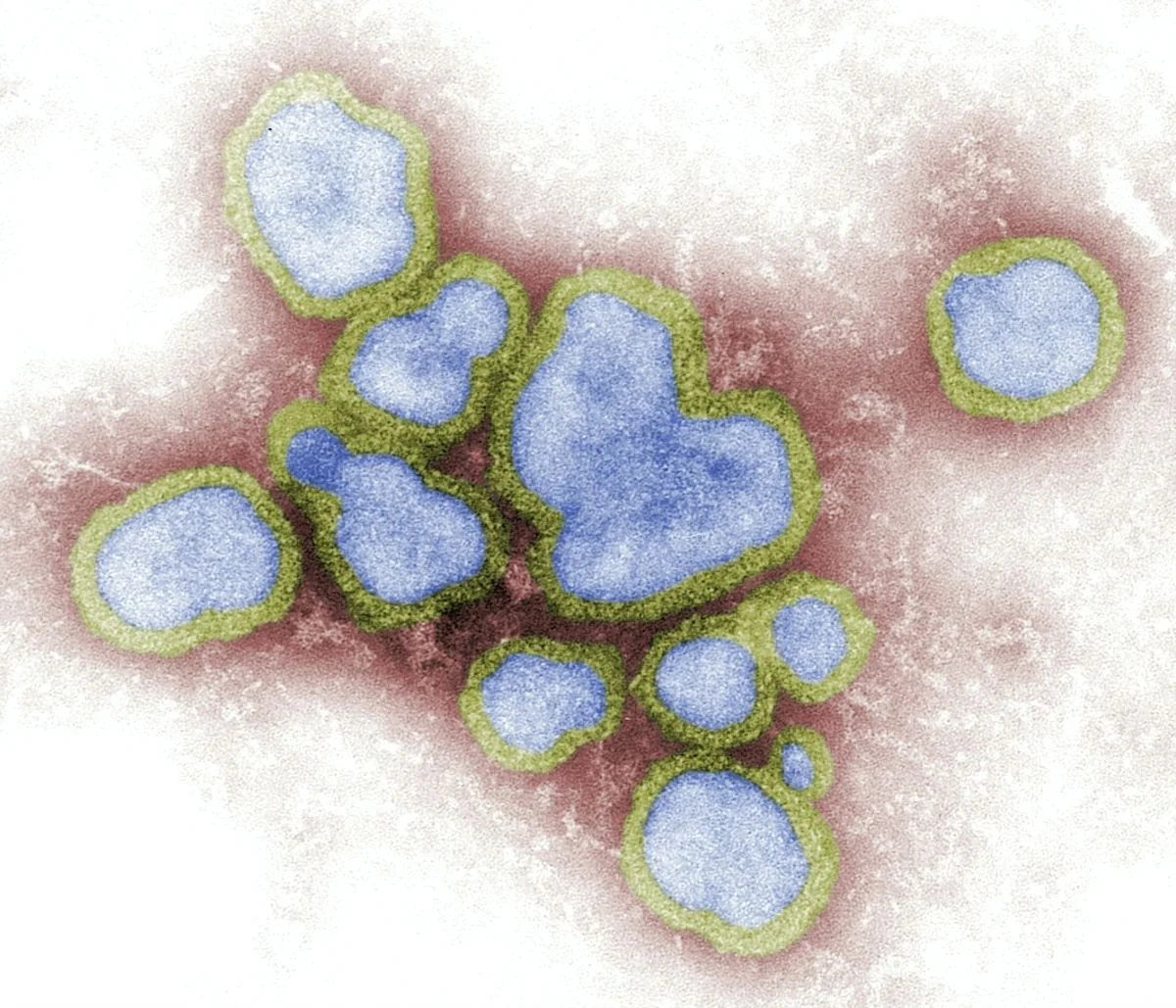
Why your immune system isn't broken… it's confused (and what confused it in the first place)
If you've been handed a diagnosis and sent on your way with a prescription and a leaflet, you are not alone and you deserve a better explanation than ‘your immune system is misfiring’.
Autoimmunity is not a random malfunction. It is a loss of immune tolerance, usually years in the making, driven by a specific set of conditions that conventional medicine rarely investigates. Understanding what those conditions are, and why your immune system ended up where it did, changes everything about what's possible from here.
In this article I walk you through what autoimmunity actually is, how and why the immune system loses its ability to distinguish self from threat, why the same diagnosis looks completely different from person to person and what we know about the factors that drive immune confusion in the first place. This is the context nobody gives you in a 10-minute appointment. It's the explanation I needed and didn't get and it's the foundation of everything that follows.

The most significant thing missing from your health might not be on any blood test
What if the next step in your health isn't another supplement or protocol, but a step outside into the trees?
What happens inside your body when you spend time in nature is extraordinary and most people have never heard of it. Within minutes of entering a woodland, your nervous system shifts, immune cells are activated, inflammatory markers reduce and your blood literally flows more freely. None of it requires effort. Your body already knows exactly what to do.
In this article I walk you through the real-time physiology of a walk in the woods, look at why our disconnection from the natural world may be one of the most significant and overlooked drivers of immune dysregulation and chronic illness and ask a question that is worth pondering: in our pursuit of optimal health, have we engineered out the very inputs that make it possible?
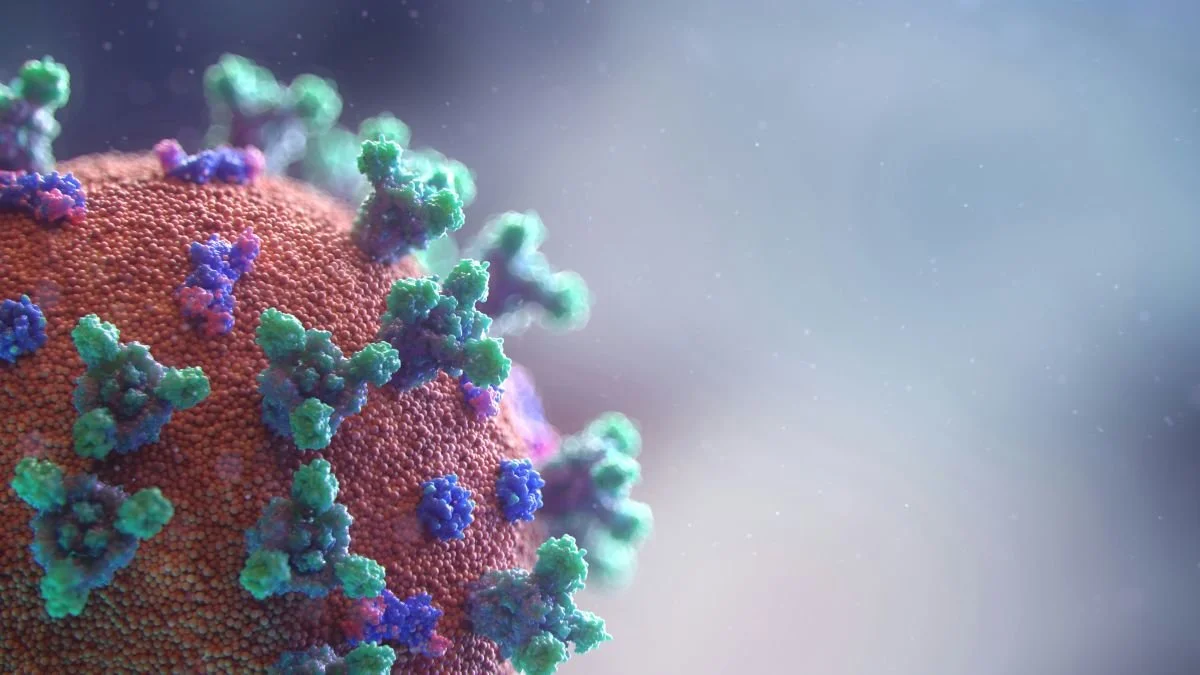
Is that teenage dose of glandular fever driving your MS?
If you've been told your teenage glandular fever (EBV) caused your MS, you've been given half the story. Nearly every adult on the planet carries Epstein-Barr virus. So why do only some people develop MS?
That question sits at the heart of one of the most important conversations happening in autoimmune research right now, the research linking Epstein-Barr to multiple sclerosis is real and significant and the answer changes everything about how we approach MS.
In this post I cut through the noise and lay out the multiple drivers that research tells us matter, from gut health and hormones to Covid-19 and oestrogen. This is the article I wish every woman with MS could read before spending another year chasing a single answer.

Menopause brain fog decoded: hormones, inflammation and how to get your clarity back
Let’s explore the neurological side of menopause and why midlife symptoms are about far more than fluctuating hormones. If you have been told it is “just the menopause”, this article will help you understand what may really be driving those changes and how you can support yourself.
We look at how shifting oestrogen affects the brain, stress circuitry and energy production, why symptoms such as poor concentration, low mood, fatigue and overwhelm are signals rather than personal failings and how modern life amplifies the load on an already transitioning nervous system.
A guide for women navigating perimenopause and menopause who want to understand the brain-based changes behind their symptoms and what they can do to support clarity, resilience and cognitive health.
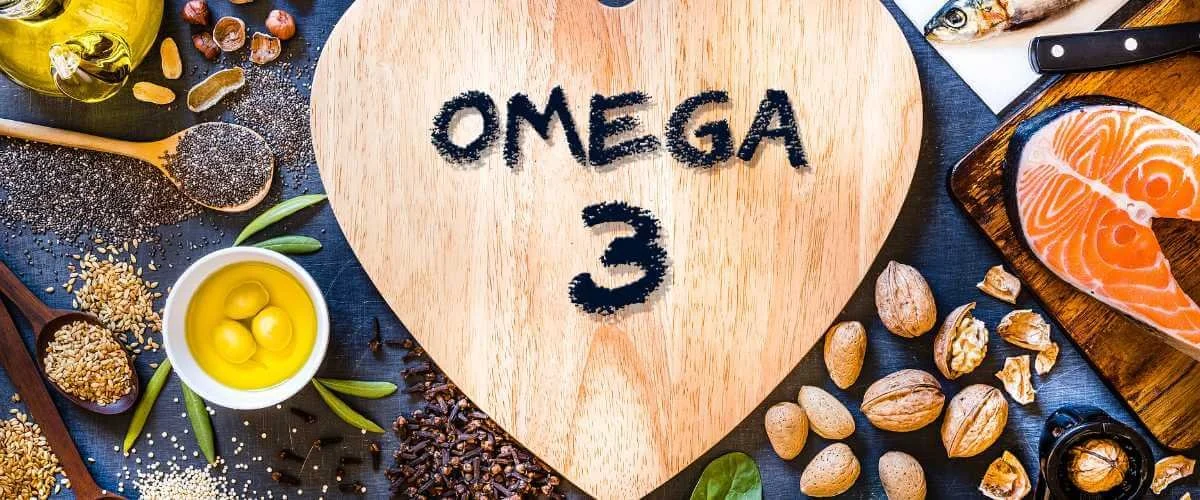
Joint pain, brain fog and low immunity, why your Omega-3 levels matter
Let’s explore the critical role omega-3 fatty acids play in regulating inflammation, immune balance and brain health, and why modern diets make deficiency far more common than most people realise. If you eat well, take supplements and still feel stuck with aching joints, low energy, brain fog or recurring infections, this article will help you understand why “normal” blood tests can miss what is really going on.
We look at how omega-3 and omega-6 fats shape cell membranes, immune signalling and inflammation resolution, the subtle signs your omega-3 levels may be low, why eating fish a couple of times a week is often not enough and how omega-3 testing can remove guesswork and bring clarity.
An evidence-led guide for anyone navigating inflammation, autoimmunity, immune dysfunction or unexplained symptoms and how omega-3 may play a role.

Why your blood sugar could be the missing link in your autoimmune journey
Here’s something that might surprise you: one of the most overlooked drivers of autoimmunity is blood sugar dysregulation. It’s rarely spoken about in consultations, yet I’ve found it to be one of the most foundational pieces to helping my clients regain stability, reduce flares and reclaim some control.
In this post, I’ll explain how blood sugar and immunity are connected in ways you may not have heard before, share a real client story and give you practical steps to start balancing your blood sugar today. By the end, you’ll understand why this missing link matters and what you can do differently to feel better.

The Three Key Ingredients for Autoimmune Conditions - and how to change your recipe
Autoimmune conditions don’t appear out of nowhere. They develop over time, often following a pattern that can be traced back through a combination of genetics, environmental triggers and problematic immune system barriers. Think of it like a cocktail - one that’s been mixed with a blend of ingredients, some inherited, some accumulated over time and some that weaken your body’s natural defences. The good news? Just because you’ve been served this drink doesn’t mean you have to keep drinking. Understanding what’s in the mix gives you the power to change the recipe and support your condition long term.

Where are you on the Autoimmune Spectrum? Why early action can transform your health
Feeling tired, achy or not quite yourself? Those subtle, nagging symptoms might not just be signs of “getting older.” They could be early warning signs of autoimmune reactivity. In this blog, I break down the Autoimmune Spectrum, how to tel if you might be on it, what you can do, share a real success story and explain how early intervention can transform your health. Discover why taking action now can prevent long-term damage and learn how my Get Empowered five-stage autoimmune recovery programme can help you reclaim your health.

My top 6 foods to calm the fires of inflammation
You’ve probably seen that social media is abuzz with talk about inflammation… but no one has been able to shed any light on whether you are suffering with inflammation… although you do wake up in the morning with sore joints. What are the key signs to look out for, the most frequent triggers and how to test for it? Is all ‘inflammation’ bad, how do we know if we even have it, what does it really mean for us and our health and how can we take control of it ourselves with diet? Read on to get a clearer path to living life without the pain and my top 6 inflammation-busting foods.

Are you getting enough vitamin D? How to check and why it matters more than ever
A healthy diet simply isn't enough.
What if there was a missing piece to the puzzle, something that could help you get a handle on your condition and improve your health? That missing link could just be vitamin D - a nutrient that plays a pivotal role in regulating immune function. Read on to find out how checking your levels could help transform how you feel.

Inflammation lowering golden latte
Ready to try a delicious, super-easy, inflammation-busting alternative to your standard coffee?
A golden latte is a traditional Indian Ayurvedic drink used to stave off illness but has now become increasingly popular in coffee shops across the country as people have become aware of its numeroushealth benefits.
It is based on the wonderful spice turmeric, rich in a compound called curcumin, which is highly anti-inflammatory and a potent antioxidant.

Why you get sick each winter (and how to fix it)
Wouldn’t it be great to enjoy all the wonderful gatherings and events of this time of year without ending up sick in bed? Read on to find out how you can boost your chances of avoiding colds and flu this winter.