
The menopause gold rush, and the questions you need to ask
What if it’s not just which hormone you take, but what is happening in your body before you take it?
Almost every week, in some form or another, someone asks me the question “What do you think about HRT? Should I be on it? Is it right for me?”
I want to be very clear about something before we go any further. I am not a doctor and whether to start, adjust or stop a hormone prescription is well outside my scope and a conversation that sits squarely with your doctor, not with me. I can’t, and won’t, give you a straight ‘yes’ or a ‘no’ on that. If you’ve ever felt like I was gently sidestepping the question, that’s exactly what was happening, sorry!
What I can do, and what I think doesn’t get talked about nearly enough, is help you understand the bit of biology sitting underneath hormone conversations and decisions. How oestrogen is generally made, used and cleared in your body. What can support or hinder that process from a diet and lifestyle perspective. Why the foundations you are standing on generally shape how well any hormone, whether prescribed or your own natural hormones, seems to do its job. This is where nutrition and lifestyle work earns its place, often quite literally alongside a prescription.
By the end of this piece, I’d love for you to walk away with a better understanding of what the heck your hormones are doing and a few sharper questions for your next conversation with your doctor, not a verdict on what to do. To give you the full picture I’ve also enlisted the help of Dr Sara Moran, a qualified and practising GP working in both the NHS and private sector, who addresses some common queries and misconceptions below. Alongside Dr Moran’s GP work, she also works as a specialty doctor within sexual and reproductive health, with a specialist interest in women’s health, having completed additional postgraduate training and diplomas in sexual and reproductive health, obstetrics and gynaecology, psychosexual medicine and child health, as well as further training in trauma recovery, so is well versed in this area.

The menopause field is a genuine gold rush
The highly respected medical journal JAMA published a piece this summer describing the modern menopause care landscape as somewhere between a gold rush and the Wild West… the description feels pretty fair. For roughly 20 years after the Women’s Health Initiative findings in 2002, menopause care fell largely out of favour. Clinicians stopped training in it as frequently, women stopped being offered it as often and an entire generation was largely told to simply ‘get on with it’.[1]
That gap has finally started to close. Women generally have more options now, more visibility and more research available to them than they have had in decades and that is something to celebrate. But renewed interest has also created a lucrative marketplace, supplement overload, information overwhelm and one message keeps surfacing inside it that concerns me: the idea that there is a single ‘correct’ hormone protocol, and that all women would benefit from it if only they pushed harder.
When pendulums start to swing to the extremes, that’s when I feel we need to ask better questions.
What I can tell you, from my experience of working on the nutrition and lifestyle side of hormone health, is that the body a hormone lands in is rarely identical from one woman to the next and that difference is worth tuning into. Sometimes, as the wider health picture improves, the conversation a woman needs to have with her doctor about her prescription may change too.
Foundations first… whatever comes next
What I often see in my work, is that when your body is inflamed, nutrient depleted, under chronic stress or metabolically unsteady (hello blood sugar rollercoaster!) it’s generally a harder starting point for anything… a hormone…a supplement… a new way of eating, to do its work well.
Think of it as the terrain something is being introduced into. Get that terrain into better shape, and even a modest intervention can go a lot further. Leave the underlying environment unaddressed and you can end up needing to lean harder and harder on the intervention itself, whatever that intervention happens to be, while the underlying picture never really changes much.
This is often the point where I’ll gently raise something with a client if the only solution being offered is an increased prescription because symptoms haven’t settled. It’s usually a suggestion to look at some of the foundational markers below and explore whether there are other pieces of the picture worth getting in place before anything else is adjusted.
Hormones and immunity are in constant conversation
This rarely makes it into the mainstream conversation about hormones and it sits very close to my heart. Oestrogen and the immune system are in constant conversation with each other and research suggests that relationship runs in both directions. Oestrogen can have both immune-enhancing and immune-calming effects, depending on its concentration, the receptors and tissues involved and the wider immune environment.
This may help explain why hormonal transitions (times like perimenopause, or pregnancy) can feel so significant for some women with autoimmune disease. The rise, fall and rapid fluctuation of hormones can also change the conversation taking place between the hormones and the immune system making it a ‘window of vulnerability’ and potential immune destabilisation.
Progesterone is part of this conversation too. While oestrogen’s effects on the immune system can vary depending on concentration and context, progesterone is generally considered to have more consistently immune-regulating and calming effects. This is one reason why the hormonal changes of perimenopause are more complicated than simply ‘running out of oestrogen’. As ovulation becomes less predictable, progesterone production becomes increasingly erratic and is gnerally the hormone that decreases first.
Sometimes the question isn’t simply whether a hormone is high or low. The immune system may also respond to how rapidly hormones are fluctuating. This is one reason why periods of major hormonal transition, such as perimenopause and the months after pregnancy, can be particularly significant for some women with autoimmune conditions.
There’s a second loop worth considering too. Fat, or adipose, tissue isn’t a passive bystander in this story, it is hormonally active. Adipose tissue can produce oestrogen locally through an enzyme called aromatase and it also releases inflammatory messengers, which in turn tend to favour the more inflammatory branch of the immune system and dampen the regulatory one. A body already carrying excess inflammation and adiposity may therefore be caught in a feedback loop… generally less receptive to the calming signal oestrogen is trying to send, while simultaneously producing additional oestrogen locally, in a context that may potentially inflame. Inflammatory signalling molecules can blunt hormone receptor sensitivity too, meaning the same amount of circulating hormone can produce a much weaker signal once it reaches the cell.[2]
This is why I believe we should look at hormone health in the context of the wider immune picture. If the underlying body is inflamed, depleted or under metabolic strain, that can often be an important part of the whole picture. (If this is a topic close to your heart, I've written more on the direct relationship between stress, the nervous system and immune function here.)

Feeding the terrain… the foundations that matter
From a nutrition standpoint, I want to understand the terrain itself and the wider picture of your health. That means looking at the foundations that support energy, metabolism, immune regulation and hormone signalling, alongside your symptoms and history.
This doesn’t mean everyone needs every test. What is worth checking will depend on your symptoms, medical history, stage of life and the questions you are trying to answer. But these are some of the areas that may be useful to consider:
Iron and ferritin, because low iron can undermine energy, thyroid health and general resilience without it always being obvious. Ferritin alone is often clouded by the inflammatory picture so looking at serum iron and transferrin saturation alongside is more helpful. Low iron can be common with the heavy bleeding that often occurs in perimenopause. Alongside investigating the cause, iron-rich foods such as red meat, lentils, beans, dark green leafy vegetables and shellfish can all play a role, with vitamin C-rich foods helping to support the absorption of plant-based sources.
Vitamin D, which has important roles in immune regulation, mood, bone health and muscle function. Oily fish and eggs provide small amounts through the diet, although food alone is rarely enough to maintain optimal vitamin D levels throughout the year and in the UK supplementation is recommended from September to March.
Magnesium, involved in hundreds of reactions throughout the body and one of the minerals I see most commonly falling short in modern diets. Nuts, seeds, legumes, wholegrains, dark green leafy vegetables and 75%+ dark chocolate (yes!) are all useful sources.
B12 and folate, important cofactors in one-carbon metabolism and cellular processes involved in the metabolism of many compounds, including some hormone metabolites. B12 is found naturally in animal foods such as meat, fish, eggs and dairy, while folate-rich foods include leafy greens, beans, lentils, liver and asparagus.
CRP, a simple window onto background inflammation levels.
Thyroid function, to ensure metabolism and energy systems are efficiently supported. Thyroid hormones interact with almost every system in the body, which is why I rarely think about hormone health in isolation from thyroid health.
HbA1c, Fasting glucose and insulin, metabolic health can influence several aspects of endocrine function, and insulin resistance and unstable glucose regulation can interact with inflammation and sex hormone signalling, whether that hormone is entirely your own or one you’ve been prescribed. This is where the foundations of blood sugar balance can make a particularly meaningful difference, through regular meals built around protein, fibre-rich carbohydrates and healthy fats.
Then there’s the gut…
which plays a far bigger role in hormone regulation than most women realise. A community of gut bacteria (sometimes called the ‘oestrobolome’) produces enzymes including beta-glucuronidase. These enzymes can influence what happens to oestrogen after your liver has metabolised it and prepared it for excretion. Depending on the activity of the gut microbiome and the wider health of your digestive system, some oestrogen metabolites may be reactivated and recirculated rather than leaving the body.[3,4]
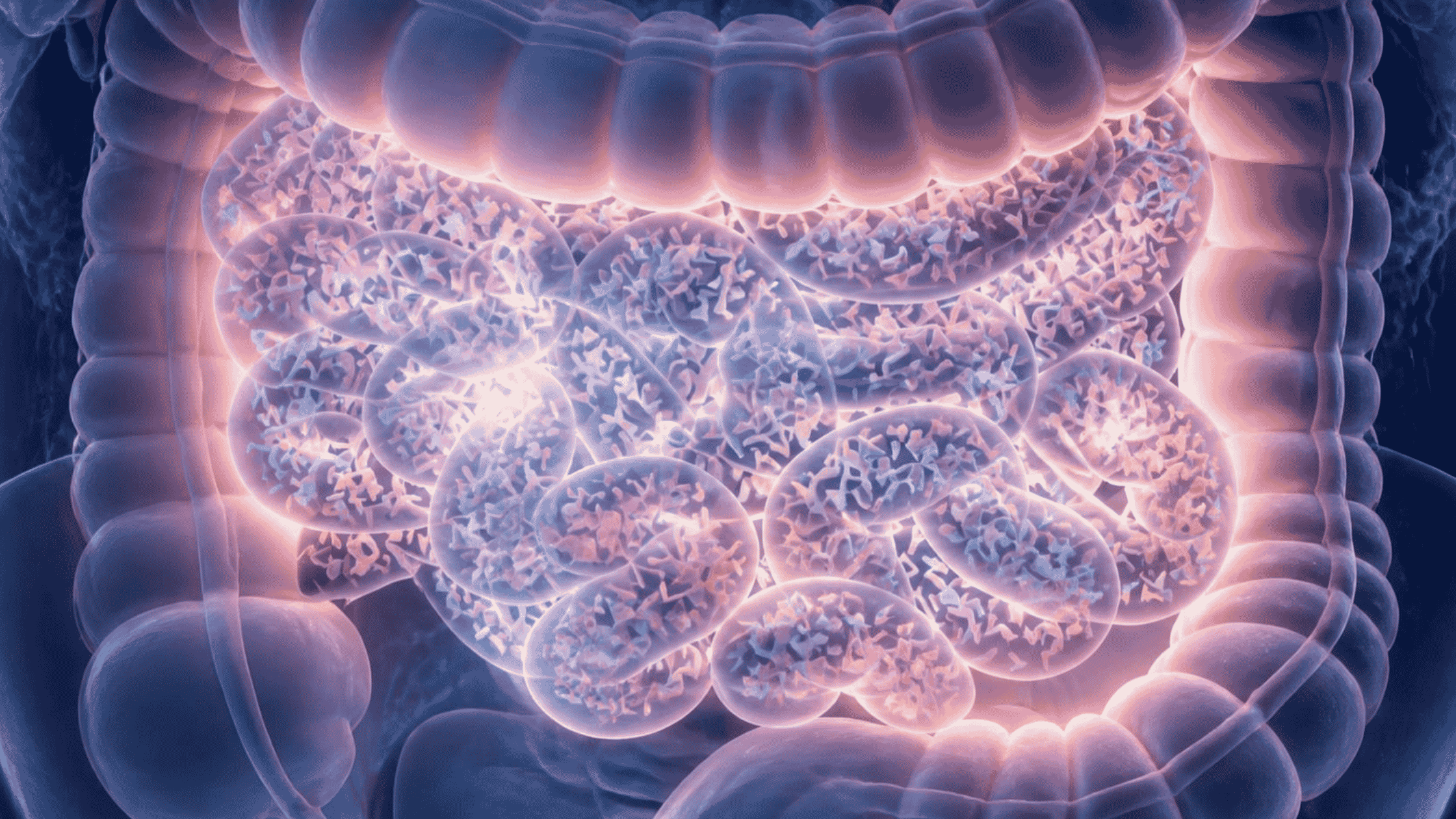
This is another reason why I see gut health as part of the wider hormone picture. A diverse diet rich in fibre, plant foods and a variety of colourful vegetables helps support the gut microbiome, while regular bowel movements are also an important and often overlooked part of healthy hormone metabolism.
If we understand where the gaps or pressure points might be, it can help inform whatever conversation you're having with your doctor about hormones. The aim isn’t to create the perfect terrain before anything else can happen, but to make sure that any hormone conversation is taking place alongside a body that is as well supported as it can be.
The three horsemen of hormone metabolism
Whether you’re managing your own natural hormone changes or working alongside a prescription, understanding what happens to oestrogen after your body has used it can be foundational.
This isn’t one single “detox pathway”, but a complex network of enzymes and processes that help transform hormone metabolites and prepare them for elimination. Genetics, nutrition, liver function, the gut microbiome and regular bowel function can all influence how efficiently those processes work. The ‘three horsemen’ here are methylation, sulfation and glucuronidation, each of which depends, to a large extent, on the nutrients and raw materials available to support it.
Glucuronidation
This is the pathway that tends to get the least airtime, but is your main detox workhorse and it’s one that I have a personal interest in, so I’m going to give it a little moment here.
I have a common, and generally thought entirely benign, genetic variation in the UGT1A1 enzyme, better known as Gilbert’s syndrome. UGT1A1 is best known for its role in processing bilirubin, which is why Gilbert’s syndrome is usually discussed in relation to a raised bilirubin level. But UGT enzymes are also involved in the metabolism of a range of compounds, including some hormone metabolites from oestrogen.[5] For me, it’s a fascinating example of why I don’t assume that every woman’s biochemistry, or the way her body processes hormones, will behave in exactly the same way.
It matters when we think about hormones. Understanding your own biology can sometimes help you make better sense of the foundations that support it. For me, to support glucuronidation this means leaning on fibre and cruciferous vegetables such as broccoli sprouts, plus watercress, citrus, turmeric and beta-carotene-containing foods (sweet potatoes, red/orange/yellow peppers, squash, carrots).
Then, of course, we’re brought full circle back to the gut…
After the liver has done its work, the gut microbiome can influence what happens next to hormones. An enzyme produced by gut microbes (Beta-glucuronidase) can affect whether certain hormone compounds prepared for elimination continue their journey out of the body or are reactivated and recirculated. Which brings us right back to the importance of fibre, microbial diversity and regular bowel movements.
One final note, none of these processes tend to work particularly well in a body running on unstable blood glucose, chronic stress, inflammation and inadequate nutrition. I’ve seen some women notice a surprisingly large improvement in hot flushes once their blood sugar is better managed, although this is clearly not the whole explanation for every woman’s symptoms, it’s a great reminder that the foundations are often worth paying attention to alongside any other treatment.
In conversation with Dr Sara Moran
This is the point where I stop and hand over so you can hear first-hand from a specialist medical professional about what she is seeing making the difference in clinical practice, where some of the misconceptions and confusions around hormone therapy lie and what questions might be helpful to ask.

Dr Sara Moran, is a qualified and practising GP working in both the NHS and private sector. Alongside her GP work, Dr Moran also works as a specialty doctor within sexual and reproductive health, with a specialist interest in women’s health, with additional postgraduate training and diplomas in sexual and reproductive health, obstetrics and gynaecology, psychosexual medicine and child health, as well as further training in trauma recovery, so is well versed in this area.
From where you sit, what is the most common misconception you hear from women about HRT right now?
One of the most common misconceptions I hear is that HRT is a one-size-fits-all treatment. Women naturally talk to each other about their experiences, which can be incredibly helpful, but what works well for one woman may not be right for another. It is about getting the right treatment at the right time and understanding what is contributing to someone’s symptoms.
How individualised should HRT prescribing actually be, and what factors do you take into account?
It should be highly individualised. We shouldn’t be trying to fit a woman to a particular hormonal regime; the hormonal regime should be tailored to the woman. For me, it is much more about sitting down and listening to the person in front of me - what are they experiencing, what are they struggling with, what do they need and what are they expecting from treatment? I also need to consider their medical history, risk factors, stage of menopause, symptoms and what treatment is appropriate and safe for them.
When a woman’s symptoms haven’t improved as expected after starting HRT, how do you approach that conversation? Is increasing the dose always the next step, or are there other things you would want to explore first?
This is where it is essential to listen. I want to understand what symptoms the woman is experiencing, what is most important to her and, importantly, what she is worried those symptoms might mean. Increasing the dose is not always the next step - sometimes we need to investigate further, change the method of delivery, or adjust the treatment.
When a woman’s wider health markers are outside the expected range, does that influence the wider conversation you have about her symptoms or hormone treatment?
This really depends on what the underlying issue is. If we find something outside the expected range, I want to understand whether it could be contributing to the symptoms and whether it changes the wider approach to treatment. I always look at the woman as a whole, rather than just focusing on her menopause symptoms or hormone levels in isolation. At the first appointment, I will also consider any red-flag symptoms and look at the wider health picture, including things like bone health and sarcopenia.
What do you wish more women knew about genitourinary symptoms of menopause?
This is an area I am passionate about. Our bodies shouldn’t be something we feel ashamed of. Vaginal dryness, painful sex, and urinary symptoms are incredibly common, but many women still suffer in silence because they feel embarrassed or simply don’t realise that there is help available. We need to get much better at opening up these conversations and making them feel normal.
For women with a history of hormone-sensitive cancer, what would you want them to know about their options?
The key here is informed choice. It is about having an honest conversation: this is what we know, these are the gaps in the evidence, and these are the options available to you. Ultimately, it is the woman’s choice, but to make that choice she needs to understand the whole picture and have the right information and the right team around her.
What are the key questions you think women should be asking when they sit down with their doctor to discuss menopause symptoms or HRT?
My advice would be to think about your symptoms before you see your doctor and, if helpful, write them down - not only what symptoms you are experiencing, but also the impact they are having on your everyday life. Then think about what is worrying you, what you would ideally like to happen and what you are hoping treatment might help with. Most importantly, don’t be afraid to ask questions. No question is silly.
For women who don’t want to take HRT, or for whom systemic HRT isn’t appropriate, are there other medical options available?
Yes, definitely. There is a huge range of options available, and the important thing is to look at the individual woman and the symptoms she is struggling with, as there isn’t a single alternative that works for everyone. HRT isn’t the only option - if it isn’t right for you, that doesn’t mean you have to put up with your symptoms; there are other treatments and approaches that can help. Women’s Health Concern have a wonderful leaflet, detailing alternative options.
Where do you see nutrition and lifestyle support fitting alongside what you’re able to offer as a prescriber?
I see nutrition and lifestyle as the foundations of menopause care. Hormonal treatment can be an important part of the picture, but we also need to consider nutrition, movement, sleep, stress, alcohol, and smoking. For me, it isn’t about giving women another long list of things they “should” be doing; it is about helping them understand that they have a lot of influence over their health and giving them practical, achievable changes that they can sustain.
Skipped to the bottom? In summary
Whether to start, change or stop a hormone prescription is a conversation for you and your doctor, but it’s important to check on the foundational nutrients alongside. As Dr Moran notes, nutrition and lifestyle are the foundations of menopause care.
The body a hormone is introduced to, whether your own or prescribed, is never identical from one woman to the next. Knowing your hormone genetics can be really powerful in working with these nuances.
Oestrogen and the immune system are in constant conversation and inflammation can blunt how well a hormone signal is received. Working on reducing your inflammation levels can be a key part of effective hormone management.
A handful of simple blood markers, alongside gut health, can offer a helpful picture of that terrain and are worth taking to your next conversation with your doctor.
As Dr Moran puts it, HRT prescribing “should be highly individualised”, so if a dose increase feels like the only option on the table, it’s worth asking what else might be explored first.
Curious to hear more. Join Tina and Dr Sara Moran in conversation, where they discuss the latest in women’s health:
‘Hormones, Hype and Health’
10-11am 5th November, at The Cedar’s, Church Walk, South St, Bourne PE10 9UQ
Free to attend. Refreshments provided. Please come along for a chat and bring your questions. ♡
Where to go from here?
If any of this resonated, whether you’re confused by conflicting advice or simply want to understand your own body a little better, improve your nutritional foundations or speak to a women’s health expert about medication options we’re here to help take the conversation forward.
You can get in touch with Dr Moran at the Fitzwilliam Hospital.
To chat to Tina and see if she can help you with the foundations and specific immune or autoimmune-related support click here to book a free chat.
If you have a friend going round in circles with conflicting hormone advice, please share this with her.
References
Schweitzer, K. (2026) 'Navigating the new booming marketplace for menopause care', JAMA
Monteiro, R. et al. (2014) 'Estrogen Signaling in Metabolic Inflammation', Mediators of Inflammation
Baker, J. M., Al-Nakkash, L. & Herbst-Kralovetz, M. M. (2017) 'Estrogen–gut microbiome axis: physiological and clinical implications', Maturitas
Ervin, S. M. et al. (2023) 'Gut microbial beta-glucuronidase: a vital regulator in female estrogen metabolism', Gut Microbes
National Center for Biotechnology Information 'Gilbert Syndrome', StatPearls
Minich, D. & Hodges, R. (2015) 'Modulation of Metabolic Detoxification Pathways Using Foods and Food-Derived Components: A Scientific Review with Clinical Application', Journal of Nutrition and Metabolism