
The most significant thing missing from your health might not be on any blood test
What a walk in the woods does to your immune system, your nervous system and your blood - and why the data is extraordinary…
There is a question I often find myself returning to, both in clinic and in my own life.
We have never had more access to health information, more supplements, more functional testing, more protocols, tracking apps, elimination diets and optimisation strategies than at any other point in human history. Yet autoimmune and chronic inflammatory conditions are rising, reactivity is rising. People are sicker, more exhausted and more confused than ever.
So what are we missing?
In this article, I want to take you somewhere a bit different. I want to walk you through what actually happens inside your body within minutes of stepping into a natural environment. Because the science here is extraordinary, most people have never heard of it and understanding it might change how you think about your health more fundamentally than anything you’ve tried.
By the end, you’ll have a completely different way of thinking about what ‘nourishment’ actually means and you might find that the next step on your health journey is not another intervention at all, but a step outside into the woods.
The exhausting business of trying to feel well
Maybe this sounds familiar. You’ve read loads of books, watched hours of interviews with experts. You’ve overhauled your diet, possibly multiple times. You have a shelf of supplements, a folder of blood results and a long list of things to try next. You have seen the GP, possibly a specialist or two, maybe a private practitioner and come away each time with either a prescription, a shrug or a suggestion to “reduce your stress”.
Reduce your stress…as if you hadn't thought of that!
The people I work with are not passive about their health. They are determined, curious and willing to do the work. The problem is usually that the version of "the work" we’ve been sold is relentless. More information. More interventions. More discipline. More control. More…more… more.
But what if, somewhere in all of that striving for perfection, something has been edited out of the picture entirely? Not a supplement or a test, but something older and more fundamental than anything you can order online or find with AI.
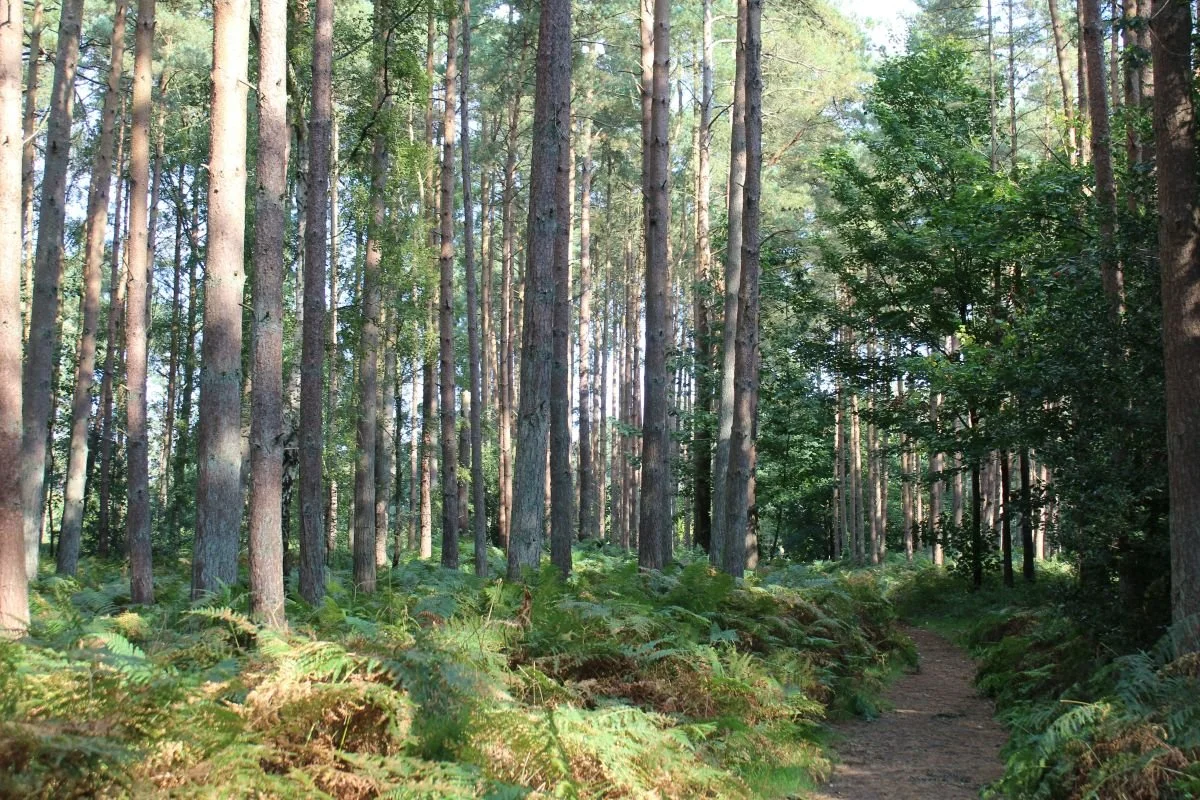
Your body was designed to be in nature and for most of us, we are profoundly starved of it.
Sarah's story
Last year I worked with a lady I will call Sarah. She was running two businesses, doing CrossFit multiple times a week and eating what she described as a "clean" diet, meticulously calorie-controlled, high protein, not much room for anything else. From the outside, she looked like someone doing everything right.
Inside, it was quite a different story - extreme fatigue, chronic, widespread pain, weight that was creeping up despite eating less and training harder, feeling puffy and bloated. She was confused and frustrated and she had been told by more than one medical professional that she just needed to push through and maybe start HRT.
What Sarah actually needed was …to stop.
CrossFit came off the table, replaced with walking - short walks at first, outside, no targets, no tracking, no apps. We increased her food, particularly abundant and diverse plant foods and removed any calorie restriction. We added time in green space and morning sunlight as a non-negotiable, rather than a nice-to-have extra.
Over several weeks, the fatigue began to fade, the pain eased, the inflammation markers starting reducing. Then, gradually, something she had completely forgotten what it felt like: she started waking up with energy! Not dragging herself out of bed, but actually wanting to get up.
She also lost weight, without restricting calories, but actually eating slightly more. Something her body had been unable to do while stuck in a state of chronic stress.
Sarah's story is not unusual. I see versions of it regularly. The missing piece is almost never another intervention. It is the removal of inputs that are driving dysregulation and the restoration of the inputs the body actually needs. Nature, as it turns out, may be one of the most important of those.
A question worth asking
Before we step into the woods, I want to challenge something that has been on my mind.
There is a growing culture of what I would call extreme biological self-management (yeah, okay, ‘biohacking’). You may have seen it plastered all over social media. Complex breathwork regimes, layered onto cold plunge protocols, layered onto infrared saunas, layered onto light box exposure, layered onto 87 supplements, layered onto Hyrox training…all before 7am. Some individuals are reportedly spending around $2 million a year trying to reverse their biological age. There are entire communities devoted to the idea that if you just track enough data and input the ‘right’ variables, you can biohack your way to ‘perfect’ health.
I am not dismissing the value of good data or evidence-based interventions, that is, after all, what I do. But there is a question worth asking: if total control and ‘optimisation’ were the answer, why are the people doing evvverything still so often unwell? And why, despite our extraordinary access to information and intervention, are rates of immune-related illness continuing to rise?
What if some of what we are searching for cannot be found in a supplement bottle or a tracking device? What if the missing variable is something we have slowly engineered out of our daily lives almost entirely?
We are not built for the world we have created
A 2023 Lancet study of 22 million people in the UK found that autoimmune disorders now affect around 1 in 10 people - but 13% of women - with incidence rates continuing to rise. The researchers specifically flagged common environmental factors and behavioural changes as likely contributors. [1] I’ve written more about the different triggers for autoimmune disease here.
The bodies we inhabit today were shaped over hundreds of thousands of years in close, daily contact with the natural world. With the soil, trees, plants, diverse microbes, changing light, seasonal rhythms, varied terrain. They were the basic environment in which every single biological system we possess evolved to function, not just as a luxury weekend activity.
What we have now is a very different set of conditions. Sealed buildings, artificial light around the clock, sanitised surfaces, ultra-processed food, electronic devices, bluetooth and WIFI everywhere, together with a lifestyle so disconnected from the natural world that many of us go days, if not weeks, without our feet touching actual earth.
Our bodies are now operating in environments that they were never designed for, sending signals that most of us are either ignoring, or interpreting as personal failures rather than biological messages.
Your immune system learns through exposure
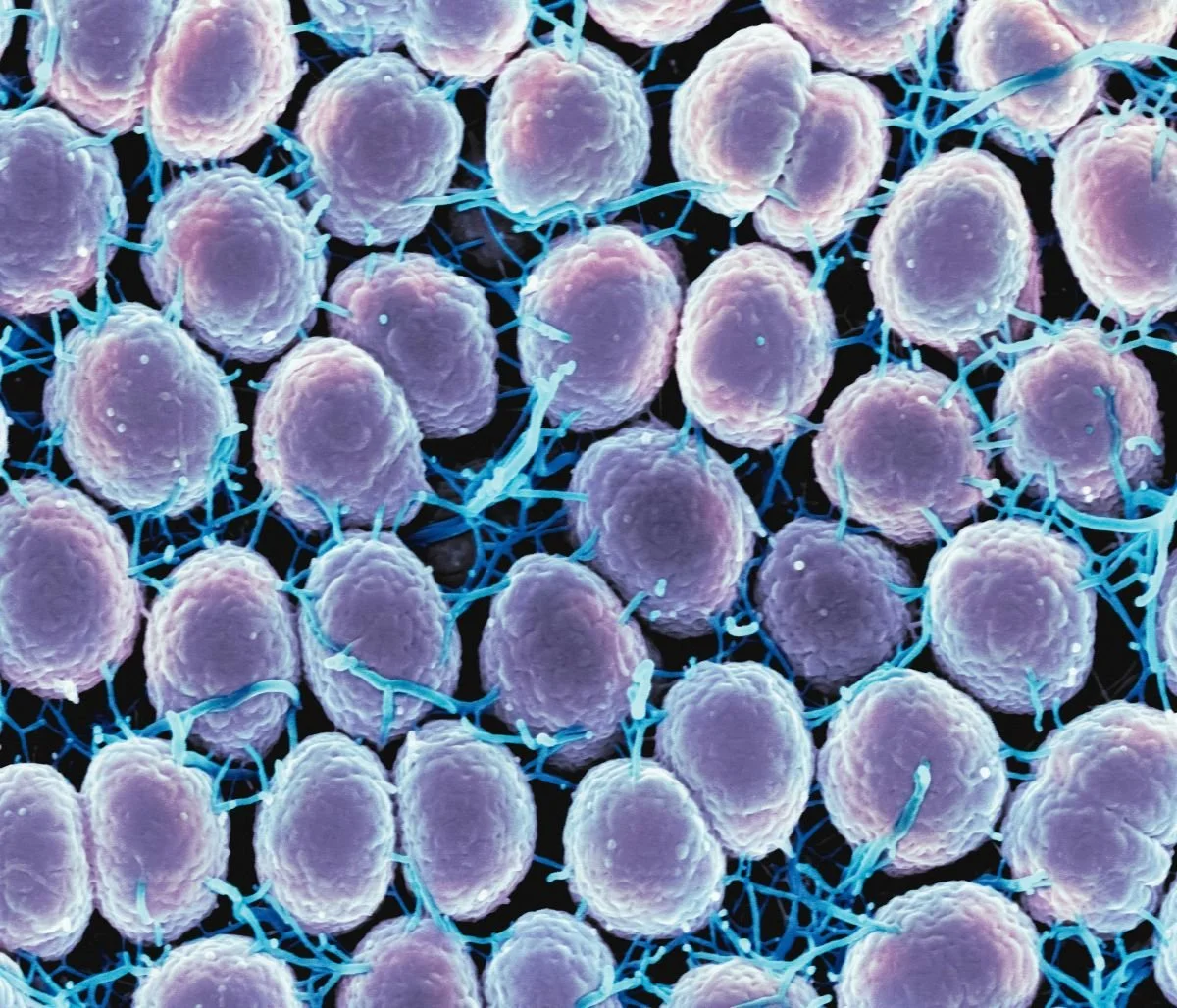
Let’s think about your immune system for a second. It is not simply switched on at birth and left to do its own thing. It is continually learning. Learning through ongoing exposure to diverse microorganisms in the natural environment: soil bacteria, fungi, plant microbes, the entire invisible ecosystem of the world outside our doors.
One of the most important areas of research to emerge in the last two decades sits under what is known as the biodiversity hypothesis (an extension of the earlier ‘hygiene hypothesis’). Its central idea is that the immune system calibrates itself based on exposure - not exposure to illness, but to diversity - to the vast array of microbes in the natural world that effectively work as its teachers. When that exposure is reduced (as it has been dramatically in industrialised societies) the immune system loses the inputs it needs to properly develop tolerance. It becomes dysregulated…more reactive, less precise, more prone to mounting inflammatory responses against things it should recognise as ‘safe’ (like our own body’s tissues). We see this directly in the steady rise of allergic and inflammatory conditions in today’s society.
A placebo-controlled trial in 2022 found that exposing children to biodiversity-enriched environments, increased levels of IL-10, an anti-inflammatory cytokine closely associated with immune regulation, alongside broader improvements in immune markers.[2]
It’s a bit more complex than just rolling around in some mud. But what we see, is that regular contact with biodiverse natural environments… touching soil, walking through woodland, handling plants, breathing clean outdoor air… provides the immune system with a level of balancing input that it depends on and simply cannot get from a supplement shelf or a filtered indoor environment.
Nature exposure is one piece of a larger picture. If you are exploring what else might be fuelling immune imbalance, blood sugar is one of the most consistently overlooked contributors - I explore the connection in detail here.
These signals teach your immune system how to respond appropriately, not excessively.
A real-time dispatch from your walk in the woods
Right. Let's take a look inside…
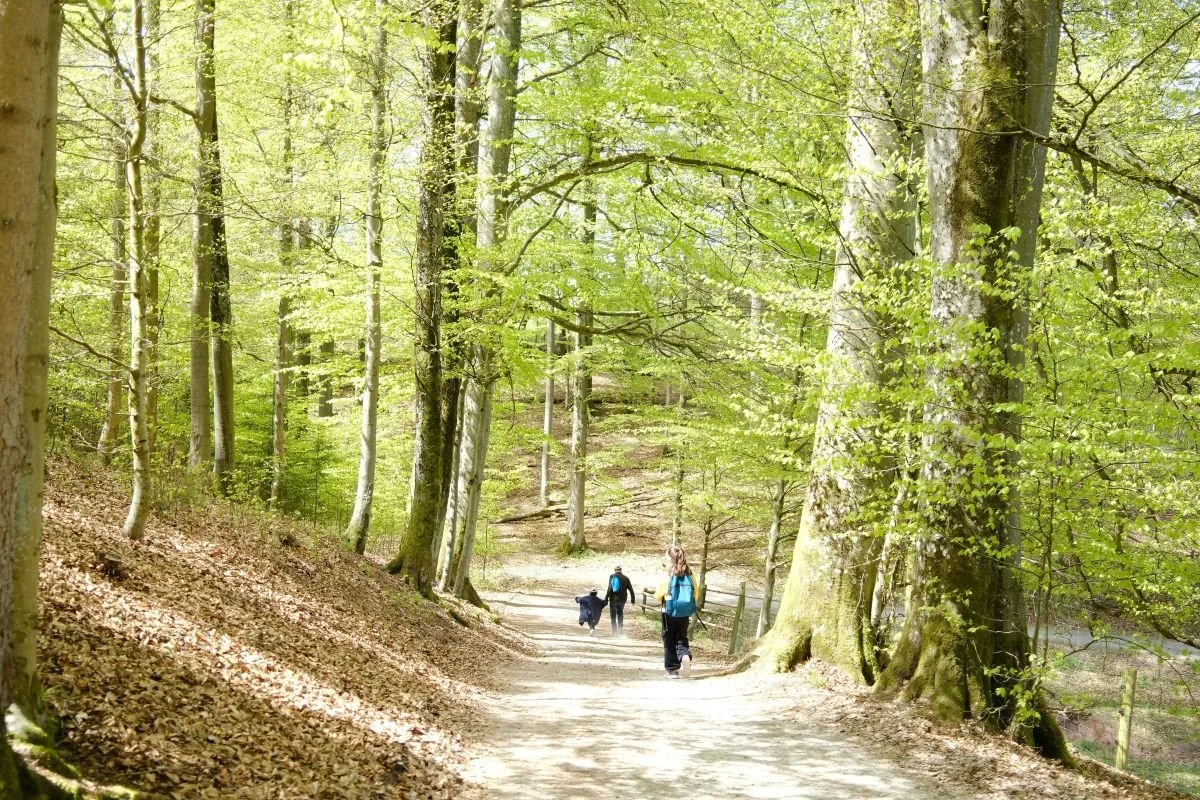
You step off the path and into the trees. The light changes…softer, more dappled, constantly changing. The air feels cooler and something in your body registers the change before you’ve consciously noticed.
Then it begins…
Minute one: your nervous system get the message
Your eyes start scanning the irregular geometry of branches, bark and leaves. These aren’t the usual straight lines and predictable edges, but rather irregular patterns and textures (known as fractals), that repeat but are never quite the same. Your brain does something interesting here; it stops trying so haaaard.
The natural complexity activates ‘involuntary attention’ - a relaxed, open state, producing alpha brain waves, sharply opposed to the focus required for your laptop and to-do lists.
Meanwhile, your nervous system is beginning to calm down. Green space exposure is associated with reductions in cortisol, reduced heart rate and blood pressure and increased parasympathetic activity (the ‘rest & digest’ and immune-regulating arm of your nervous system). [3] None of this requires conscious effort, it starts from the signals in the environment that your body innately knows how to respond to, even before your brain has caught up.
Somewhere in your adrenal glands, a small meeting is coming to order…
"Whoa, some crazy irregular shapes out there. Amygdala has clocked the fractals. Threat level: non-existent. Hypothalamus is giving us the green light for cortisol shut down… we’re scaling back. Parasympathetic, you can take the floor".
For women dealing with chronic symptoms, nervous system regulation through nature exposure is one of the most underused and most accessible tools available.
Minute three: the tree chemicals arrive
The air itself is different here. The trees are constantly releasing volatile organic compounds called phytoncides (alpha-pinene and beta-pinene), a little bit like the forest's own antimicrobial defence system. When you walk through a pine woodland you are breathing in biologically-active air that your immune system has been encountering and responding to for the entire span of human evolution.
Within minutes, these compounds are in your airways…shortly after, they are in your bloodstream.
Imagine following one of your immune cells, a natural killer cell circulating as it always does. Its job is frontline immune surveillance, identifying damaged or infected cells before they become a problem. Most of the time, the signals it receives are mixed… stress hormones, low-level inflammation, background noise.
But when the phytoncides arrive, the cell responds with readiness, not alarm.
“Ah… this again”
“We know this signal”
The natural killer cell increases production of the compounds it uses to deal with abnormal cells (perforin and granulysin). It becomes more alert, more effective, more precise - the difference between a security guard who has been sitting in a back office for months and one who has just come onto active duty.[10] This area of research, often referred to as forest bathing or shinrin-yoku in Japanese, has now produced a substantial body of evidence linking time in woodland environments with measurable changes in immune function.
Research has shown that spending 2-3 days in a forest environment significantly increases natural killer cell activity, along with the production of these immune proteins, even lasting for several days after a single visit. [4]
Minute five: you reach out and touch a tree - your blood changes
You step slightly off the path, one hand resting on the side of a great oak, admiring the beautiful intricacies of its decades-old bark. But have you ever considered the transfer of electrical charges taking place beneath your hand?
We are electrical beings, every cell in your body running on electrical gradients. Your heart beats because of electrical impulses, your neurons fire because of electrical impulses, your immune cells communicate partly through electrical signalling, your mitochondria hold charges equivalent to that of a lightening bolt across their membranes. The entire architecture of your body is underpinned by electrical activity and it requires a stable electrical environment to function at its best. [5]
We spend time and money making sure that every circuit in our houses is correctly earthed, it’s a basic safety requirement. Yet we walk around on synthetic shoe soles, in synthetic clothing, inside sealed buildings, entirely disconnected from the one natural electrical ‘earth’ that we evolved in contact with. Totally disconnected from our very own planet.
The Earth's surface carries a mild negative charge. When your skin makes contact with the ground, electrons naturally transfer from the earth into your body. This is what is referred to as grounding and it helps lower inflammation and blood viscosity. Touching a tree is just a natural extension of grounding.
Let's go back inside…
"Incoming - electrons. Free electrons, everyone. Antioxidant support is arriving”.
Down at the inflammatory front - wherever a low-level inflammatory process has been slowly running, generating reactive oxygen species (ROS), those unstable, positively-charged molecules that cause tissue damage when they accumulate - the electrons arrive like firefighters at a smouldering building.
"Right. Free radicals, you're surrounded. Hand over the unpaired electrons. This oxidative cascade stops here!”
Free radicals are essentially molecular trouble-makers; unstable molecules that are missing an electron and will steal one from healthy tissue to compensate, triggering a chain reaction of damage. Electrons from the earth help to neutralise them directly, acting as antioxidants, not from a capsule, but from the ground itself.[7]
Meanwhile, over in the bloodstream, something else is happening. Red blood cells carry a natural negative surface charge which keeps them repelling each other slightly, flowing freely, not clumping together. When the body is in a state of chronic inflammation and oxidative stress, that charge lowers, the blood viscosity increases and cells start to aggregate, driving sluggish circulation, impaired oxygen delivery, increased cardiovascular and inflammatory risk.
The incoming electrons restore the blood cell potential. The red blood cells push apart…
“Oooh, much better. Those of you at the back - stop crowding. Give each other some space. You - platelets, I'm looking at you - dial it back”.
Research has shown changes in blood viscosity with grounding, suggesting improved flow and reduced clumping.[6] Not obvious in the moment, but meaningful over time.
“Inflammation department - stand down from high alert. We have electron backup. Resume standard activity”.
Minute eight: Meet some “old friends”
Every step on uneven ground. Every moment your hands brush against a branch, fern or leaf litter. Every breath of outdoor air. Each of these is introducing microbes to your skin, your lungs, your nasal passages - bacteria, fungi, archaea from biodiverse soil that have co-evolved with the human immune system for hundreds of thousands of years.
These “old friends” are organisms the immune system expects to encounter and uses to help regulate its responses.[8] Contact with diverse environmental microbes has been shown to positively influence gut microbiome composition and increase immune regulation, including the activity of regulatory T cells, which are central to immune tolerance and the prevention of inappropriate inflammatory reactivity.[9]
Somewhere in your gut, a message is being received.
“Environmental microbes incoming”
“This is familiar. No need to react”
“We know what to do here”.
Nothing and everything happens at once
From the outside, your woodland stroll looks like very little. You're just walking, breathing, pausing occasionally to take it all in.
But inside, there is a steady stream of information being received and responded to. The nervous system changes state. The immune system begins to rebalance. Inflammatory processes slowly start to calm down. This connection with nature gives your body a chance to remember patterns it has recognised across millennia.
The biohacking paradox
Back to that question.
There is nothing inherently wrong with tracking your HRV or eating a carefully considered diet. These things do matter. But I believe we are starting to see a version of health ‘optimisation’ that has become, ironically, a possible driver of the very problem it is trying to fix.
Hyper-controlled, ultra-restrictive diets that eliminate entire food groups for extended periods can reduce the diversity of plant compounds your gut microbiome needs to thrive - polyphenols, prebiotic fibres, bitter compounds. The hormetic challenge of a wide variety of plant bitters, for example, is now understood to support strength of the gut barrier and immune regulation via the vagus nerve and gut-brain signalling. Eating over 30 different plant foods per week is the target most often cited in microbiome research (although more is still better); most people in the UK are eating considerably fewer. Food quality matters alongside food diversity; if you want to understand how specific dietary fats shape inflammation, this piece on omega-3 and immune balance is worth reading.
Sterile indoor environments progressively deplete the microbial inputs the immune system relies on to stay in balance. Supplement stacks of forty, fifty, a hundred different compounds introduce complexity but with the absence of the natural food matrix that can make those very compounds more meaningful.
None of this is to say that targeted, personalised, evidence-based supplementation has no place - in clinical practice, it absolutely does. But the question we need to ask ourselves is, whether we are trying to recreate with pills what the natural world was already providing, before we removed ourselves from it.
The body is an amazing and incredibly complex system that we still do not fully understand. Our biology evolved in a specific environment and will always function at its best when it receives the inputs that environment provides.
Nourishment is bigger than what is on your plate
We tend to reduce ‘nourishment’ to the contents of a plate and yes, food is foundational, but I believe nourishment as a concept is considerably broader than that.
There is nourishment in the diversity of plants you encounter - both as food and as the living environment around you that you interact with. There is nourishment in the sensory complexity of a varied landscape. There is nourishment in seasonal light, in the microbial richness of outdoor air, in the electrical connection of bare skin on earth. There is nourishment in the social connections that brighten our souls.
For a body that evolved in daily contact with the natural world, these things aren’t just nice-to-have extras, they are foundational. For many of the women I work with - who are doing everything “right” by the modern health paradigm, but still not fully recovering - they are often the most significant missing piece.
If we think about Sarah's story; it wasn’t that her interventions were wrong. But in trying so hard to do everything ‘correctly’, she had removed herself entirely from the conditions her body needed to regulate itself. The addition of daily walks in green space, the removal of extreme physical stress, the restoration of dietary variety - they were the missing inputs her immune and nervous system had been waiting for.
So what does this actually mean for you?
It means the next step in your health journey might not be another strict regime, it might just be stepping outside for a few purposeful moments every day (and without a target to hit - I see you there tracking your steps!)
Not as a suggestion to “get some fresh air”, but as a genuine, evidence-based physiological input for your immune system, your nervous system and lowering your inflammation levels.
Some practical places to start:
Get into the trees. Walking in woodland or green space for as little as 20-30 minutes has been shown to measurably shift cortisol patterns and parasympathetic activity. Any tree-rich environment will provide phytoncides (those tree chemicals), bonus, you do not need a Japanese forest to access this!
Touch the earth. Touching soil, handling plants and walking barefoot on grass or earth introduces both grounding effects and microbial diversity. Gardening continues to appear across immune and mental health research as genuinely beneficial and the biology supports exactly why.
Eat more plants, more diversely. Eating a diverse range of plant foods, with particular attention to variety and bitterness, supports the kind of gut microbiome that communicates effectively with the immune system. If you want a practical starting point for the food side of this, I have pulled together my top anti-inflammatory foods here.
But perhaps most importantly, recognising that “doing less” in terms of interventions, while giving your body more of the natural inputs it was designed for, can also be a legitimate strategy … providing access to a beautiful kind of innate wisdom that your body inherently knows what to do with.
The bottom line
We are fundamentally electrical, microbially-dependent, nature-calibrated, social beings, operating in a modern disconnected environment that provides almost none of those inputs.
The science is clear: time in nature is not passive, it is a direct physiological input. Within minutes of stepping into a woodland, your nervous system starts to recalibrate, immune cell activity rises, inflammatory markers reduce, blood flows more freely and your immune system receives the signals it has been waiting for.
The bigger question (one worth pondering) is whether in our pursuit of ‘optimal health’, we have engineered out the very inputs that make vibrant health possible.
Nature is not an optional extra. It may be one of the most important prescriptions of all.
Has this resonated?
If you’ve been doing everything you can think of and still feel like something fundamental is missing, I would love to have a conversation with you. In my work with women navigating complex immune and chronic illness, reconnecting with the fundamentals - food, nature, nervous system regulation - is often where the most meaningful changes can happen.
If you would like to explore what that might look like for you specifically, book a free call here.
References
Conrad, N. et al. (2023). ‘Incidence, prevalence, and co-occurrence of autoimmune disorders over time and by age, sex, and socioeconomic status: a population-based cohort study of 22 million individuals in the UK’, The Lancet
Roslund, M.I. et al. (2022). ‘A Placebo-controlled double-blinded test of the biodiversity hypothesis of immune-mediated diseases: Environmental microbial diversity elicits changes in cytokines and increase in T regulatory cells in young children’, Ecotoxicology and Environmental Safety
Thompson, C.W. et al. (2012) ‘More green space is linked to less stress in deprived communities: Evidence from salivary cortisol patterns’, Landscape and urban planning.
Li, Q. et al. (2007). ‘Forest bathing enhances human natural killer activity and expression of anti-cancer proteins’, International journal of immunopathology and pharmacology
Chevalier, G. et al. (2012) ‘Earthing: health implications of reconnecting the human body to the Earth′ s surface electrons’, Journal of environmental and public health
Chevalier, G. et al. (2013) ‘Earthing (grounding) the human body reduces blood viscosity - a major factor in cardiovascular disease’, The Journal of Alternative and Complementary Medicine: Paradigm, Practice, and Policy Advancing Integrative Health
Oschman, J.L. Chevalier, G. & Brown, R. (2015). ‘The effects of grounding (earthing) on inflammation, the immune response, wound healing, and prevention and treatment of chronic inflammatory and autoimmune diseases’, Journal of inflammation research.
Rook, G.A. (2023) ‘The old friends hypothesis: evolution, immunoregulation and essential microbial inputs’, Frontiers in Allergy.
Stanhope, J. and Weinstein, P. (2023). ‘Exposure to environmental microbiota may modulate gut microbial ecology and the immune system’, Mucosal Immunology
Lew, T. and Fleming, K.J. (2024) ‘Phytoncides and immunity from forest to facility: A systematic review and meta-analysis’, Pharmacological Research-Natural Products